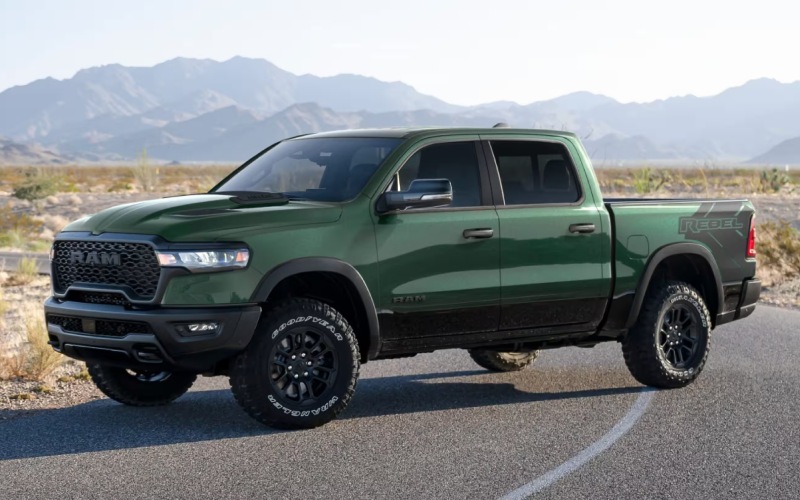
CardinaleWay Ram Santa Rosa - 2026 Ram 1500 vs 2026 Chevrolet Silverado 1500 — Which truck rides smoother on city streets and backroads near Sebastopol, CA?
When shoppers compare full-size pickups for daily comfort as well as weekend duty, one question comes up again and again: which truck rides smoother on a mix of city streets and backroads? The answer tends to hinge on the suspension and chassis tuning. The Ram 1500 is engineered with a rear coil-spring suspension that naturally delivers a calmer, more composed ride over broken pavement than traditional leaf springs. It goes a step further with available Active-Level Four Corner Air Suspension, which can adjust ride height, level loads, and soak up expansion joints with a premium feel you notice within a few blocks. Silverado’s leaf-spring rear setup is stout for payload and trailering, and off-road trims like ZR2 add Multimatic DSSV™ dampers and front and rear E-lockers for rugged terrain, but the foundational ride character remains firmer in everyday commuting.
Inside, long-haul comfort is shaped by noise isolation and tech that reduces fatigue. Ram’s quiet cabin, available 14.5-inch Uconnect® touchscreen, 12.3-inch driver cluster, and the available 10.25-inch Passenger Interactive Display help keep navigation, entertainment, and co-pilot tasks organized. An available 23-speaker Klipsch Reference Premiere audio system turns low-volume listening into a luxury. Silverado counters with an available 13.4-inch display, 12.3-inch driver screen, and available Head-Up Display, plus a Bose system on select trims. For drivers who value ride serenity and a cohesive, tech-forward cockpit that minimizes clutter, Ram typically feels more settled on uneven surfaces and more relaxing over longer stretches.
To frame the smooth-ride question with details that matter in daily life, consider the following:
- Suspension design: The Ram’s rear coil-spring setup promotes vertical wheel control and reduces head toss on patched city streets.
- Available air suspension: Active-Level Four Corner Air Suspension can lower for easier entry, level while towing, and maintain poise over rough roads.
- Cabin quiet: Sound-deadening and sealing efforts help the Ram filter road harshness and wind noise for a more refined commute.
- Seat support: Cushion density and available upscale materials reduce fatigue on one-hour drives that stretch into all-day stints.
- Interface simplicity: Large, clear displays with intuitive menus make quick adjustments easy without adding mental load.
- Tow-friendly confidence: Trailer Reverse Steering Control and an available Digital Rearview Mirror with Tow Mode make challenging maneuvers feel controlled.
There’s no denying Silverado’s strengths — particularly its available Super Cruise® hands-free driver assistance with trailering and up to 14 camera views for situational awareness — but for most commutes and mixed-use driving, Ram’s smoother chassis tuning tends to win hearts over time. That smoothness also pays dividends when the bed is empty, the trailer is unhitched, and you simply want to get home without feeling every expansion joint on your route.
One last tip: when test driving, run the same loop with both pickups at similar tire pressures and note the difference over cracked pavement, speed humps, and freeway joints. Pay attention to small body motions after big bumps — the Ram’s calm rebound and reduced aftershocks are a hallmark of its coil-spring and available air-suspension design. That sense of ease is what turns daily driving into a comfortable routine rather than a chore.
CardinaleWay Chrysler Dodge Jeep Ram Santa Rosa welcomes comparisons and encourages you to bring your everyday questions to our team — we speak from real-world experience and want you to feel the difference where it counts most. We are proudly serving Sebastopol, Rohnert Park, and Cotati with test drives tailored to the roads you actually travel, so you can make a confident choice that fits your life.
Frequently Asked Questions:
Does the Ram 1500’s available air suspension really change everyday comfort?
Yes. It cushions sharp impacts, reduces body motion after bumps, and can self-level under load. The result is less fatigue on commutes and more composure when you add passengers, gear, or a trailer.
How should I compare ride quality between the two trucks on a test drive?
Drive the same route at the same speeds, take note of body motion after speed humps and patchwork asphalt, and observe cabin noise at 45-65 mph. The differences show up quickly and consistently.